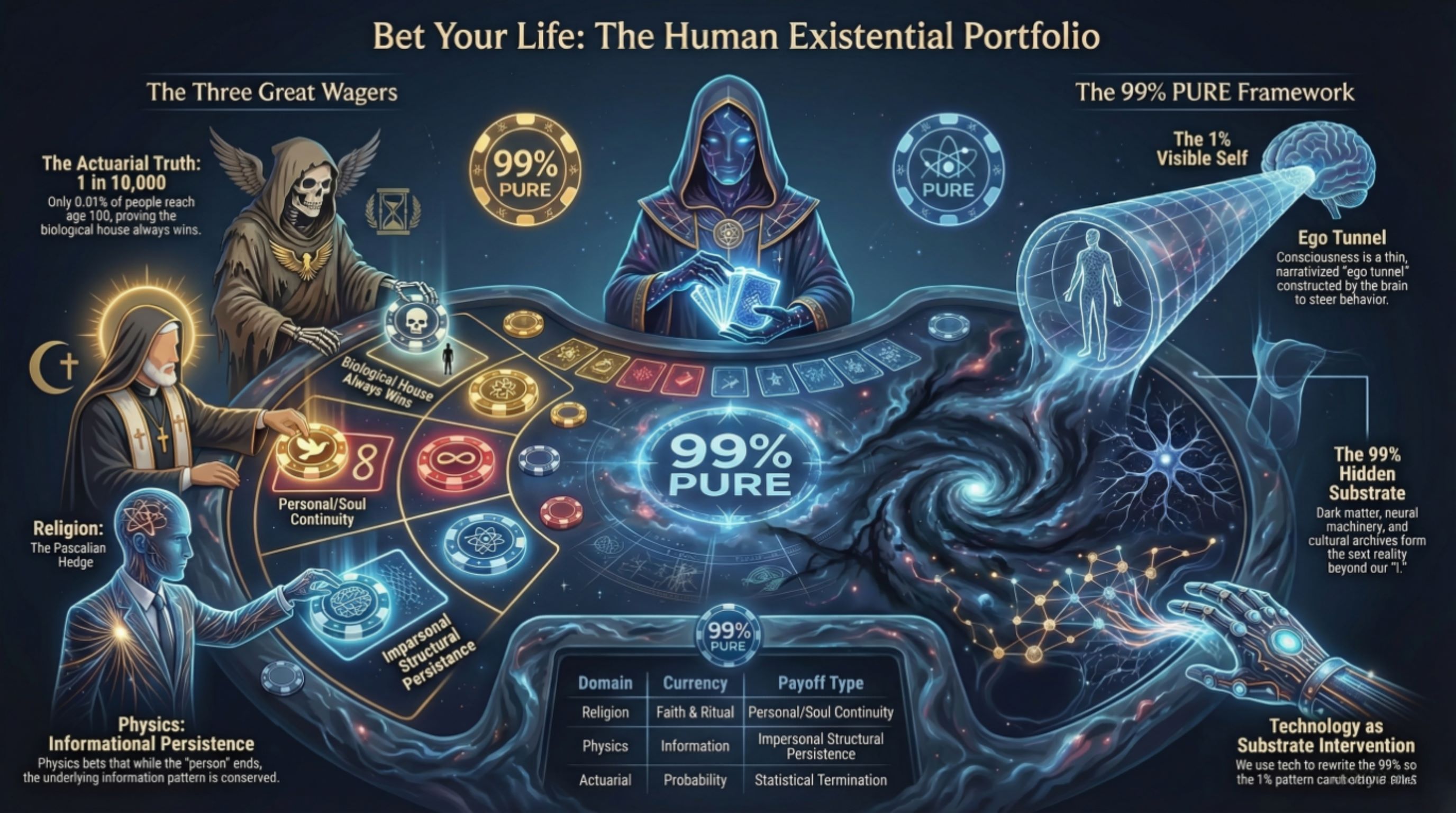
The wager we are all making on what outlives us
Every living thing tries to survive.
Human beings do something stranger.
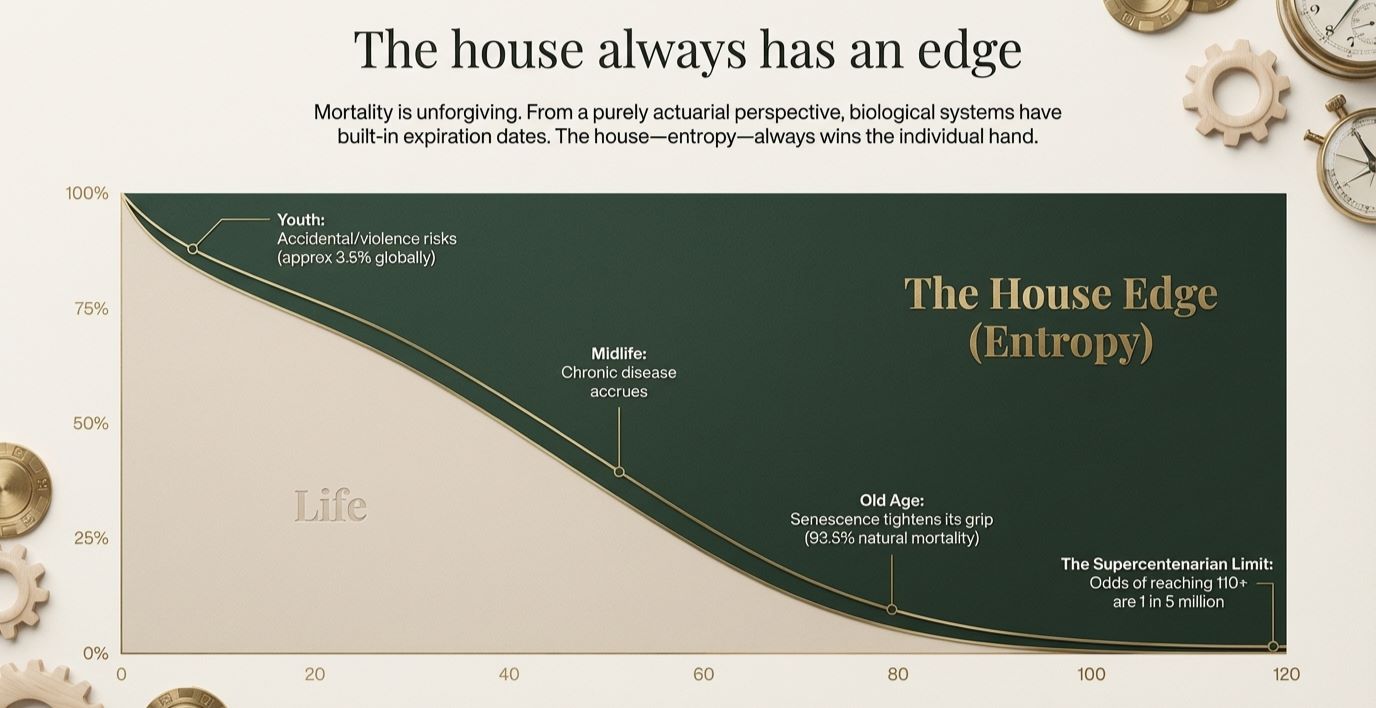
We do not just survive. We calculate survival. We insure it, ritualize it, fear it, and argue over what remains when it ends. We turn death into religion, medicine, probability, philosophy, technology, and late-night panic.
That may be the most human thing about us.
Not just that we know we will die, but that we keep asking what death means.
What remains.
Whether the self is solid or temporary.
Whether this life is the whole account, or only the visible fraction of something larger.
That is the wager.
And whether we admit it or not, we are already in the game.
We are the animal that knows there is a table
It is too strong to say humans alone are self-aware. Some animals recognize themselves. Some plan. Some remember.
But humans still seem unique in one decisive way:
We turn mortality into metaphysics, ritual, statistics, institutions, and wagers about what survives.
We do not merely face death.
We organize around it.
We build religions to answer it.
Medicine to delay it.
Law to manage what follows it.
Statistics to track it.
Philosophy to ask who, exactly, dies.
That is not just intelligence.
That is existential accounting.
The odds are not poetic
Set the metaphors aside and the numbers stay cold.
Death has patterns. Probabilities. Categories.
War.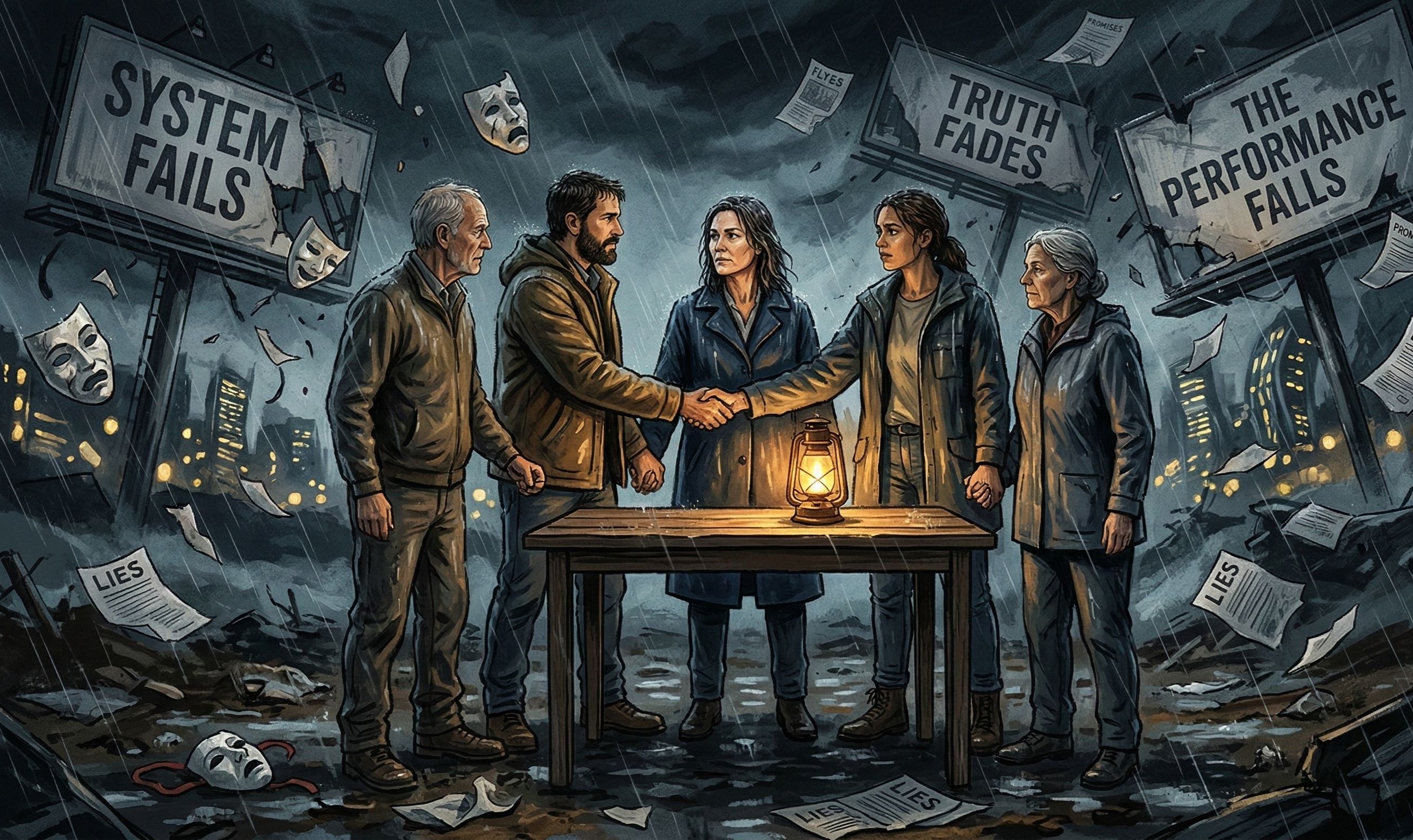
Accident.
Homicide.
Self-destruction.
Disease.
Slow decline.
Sudden impact.
The details change. The structure does not.
The house has the edge.
It always did.
And still, no one truly gets up from the table. We go on loving, building, saving, praying, planning, and reaching, even while knowing the odds do not bend for us.
That is part of the mystery. The numbers clarify danger, but they do not cancel the instinct that life is more than a countdown.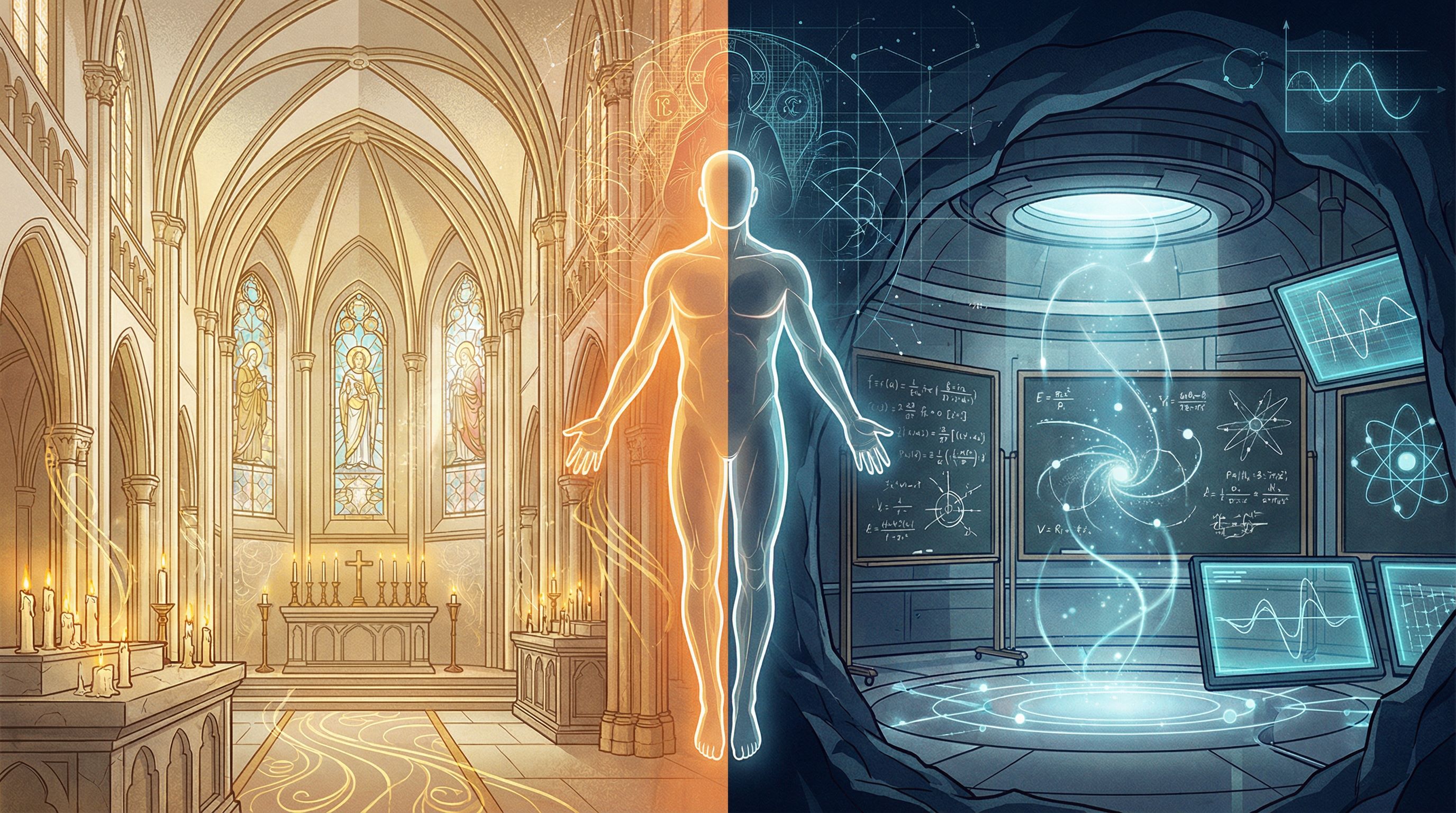
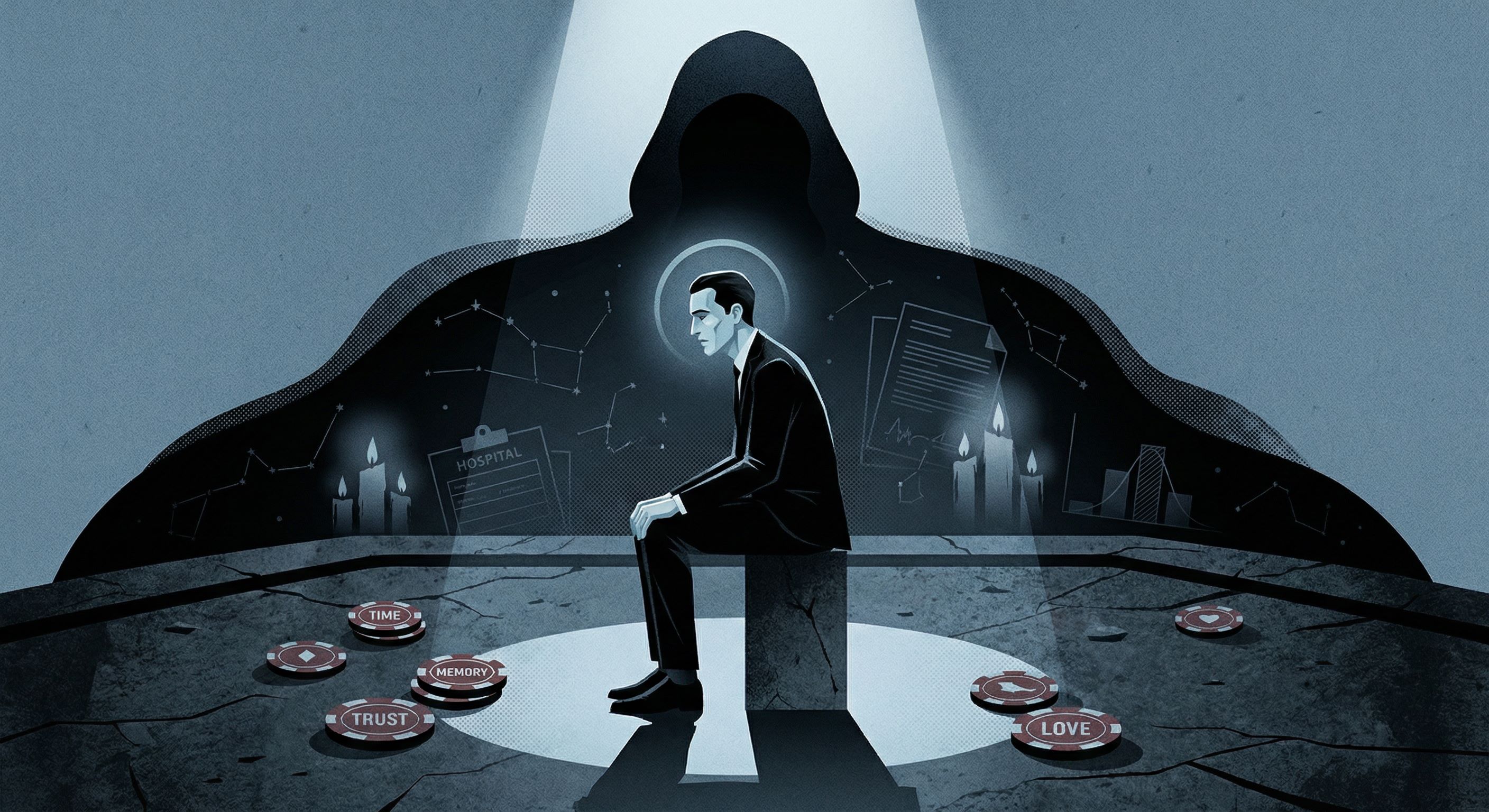
If anything, they sharpen the wager.
We keep betting anyway
We do not wager only in churches or laboratories. We wager in hospitals, schools, marriages, archives, hard drives, family names, and daily habits.
Every time you save money for later, you are betting.
Every time you raise a child, you are betting.
Every time you write something down because you do not want it lost, you are betting.
Every time you forgive, repair, build, teach, or pray, you are betting.
You are placing present life against an unseen future.
You are saying: let something of this remain.
And maybe that is where the story turns.
Because the wager is not only about what remains after us.
It is also about what we strengthen while we are here.
Not only: what survives me?
Also: what becomes more whole because I was here?
The self may be the smallest visible part of what carries it
The part of you that says “I” feels central. Your name, memory, loves, fears, plans, and private sense of being here feel like the whole thing.
But what if that is only the surface?
What if the visible self is the 1%?
And beneath it sits the 99% PURE that carries you?
Biology. Language. Family. Memory. Infrastructure. Food. Law. Culture. History. Other people. Electricity. Ecology. Inheritance. The hidden machinery of body and world.
The self is not fake.
It is partial.
We know enough to say “me,” but not enough to fully see what makes “me” possible.
That is one reason death frightens us so deeply. Not only because life ends, but because the little part we can name rides on a vast foundation we did not build and barely understand.
We are the visible flicker.
The carried thing.
But there is another way to read that, and it is less lonely.
If we are carried, then we are also entrusted.
Maybe the real question is not just whether something of us remains.
Maybe it is whether we leave the 99% PURE better tended for the alive co-existers around us now, and for those following after us.
Technology is where the wager becomes aggressive
For most of history, we endured mortality, explained it, softened it, or sanctified it.
Now we try to interfere with it.
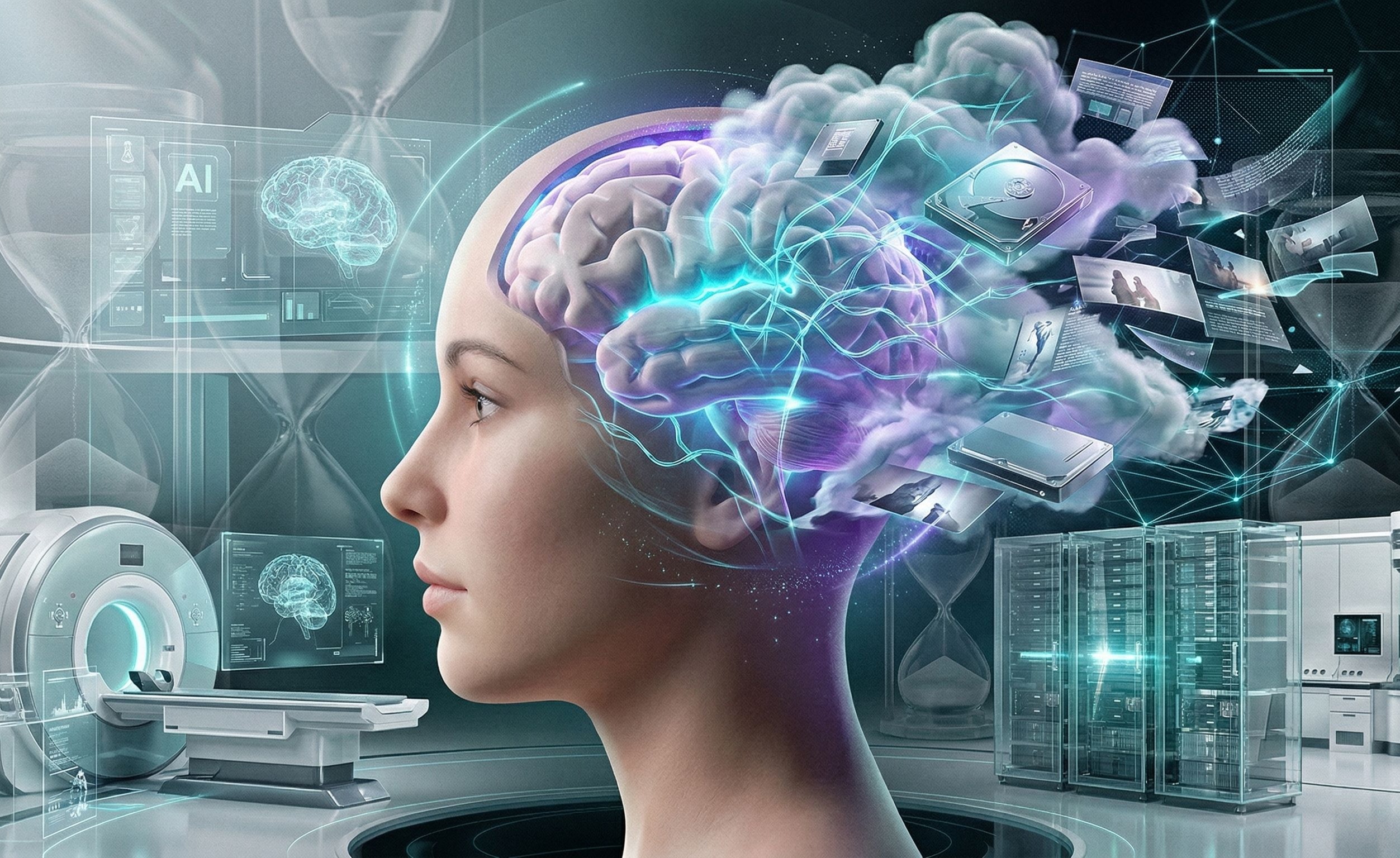
Medicine extends the body. Archives extend memory. Networks let identity leave the skull. AI imitates cognition. Longevity science tries to slow the clock.
Seen clearly, technology is not just convenience.
It is metaphysical impatience.
It is the 1% trying to bargain with the 99% PURE.
Can memory be stored outside the body?
Can pattern outlast flesh?
Can continuity be engineered?
That is the modern wager.
Not whether we die.
But what we damage trying not to.
Because every new power raises the same question:
does it protect life, or flatter fear?
If we store more memory and extend more function, but leave people lonelier, attention weaker, truth cheaper, and the living world more damaged, then we have not mastered the wager.
We have misplayed it.
Technology is at its best not when it helps us panic more efficiently, but when it helps us serve life more faithfully.
When it reduces suffering.
When it repairs what is broken.
When it protects attention.
When it strengthens truth.
When it helps people remain human to one another.
Otherwise, all we have done is give fear better tools.
And this is where it stops being theory
Because this is not happening somewhere else.
It is happening now.
You are reading words on a screen. Your eyes move. Your mind turns marks into meaning. Your heart beats. Your lungs draw breath. Your memories, fears, griefs, and hopes sit quietly behind your face while you take this in.
And beneath even that, there is more.
Language you did not invent is carrying these thoughts. Tools you did not build are delivering them. Systems you do not fully see are holding up this moment.
That is the picture.
The part of life we can name is small.
The part carrying it is vast.
And once a person feels that, really feels it, life changes.
Because then every day starts to look like a wager.
Not only about endings.
About conduct.
About contribution.
About whether your brief visible life will thicken the world with more truth, courage, steadiness, and care — or merely consume what others made possible.
The best wager
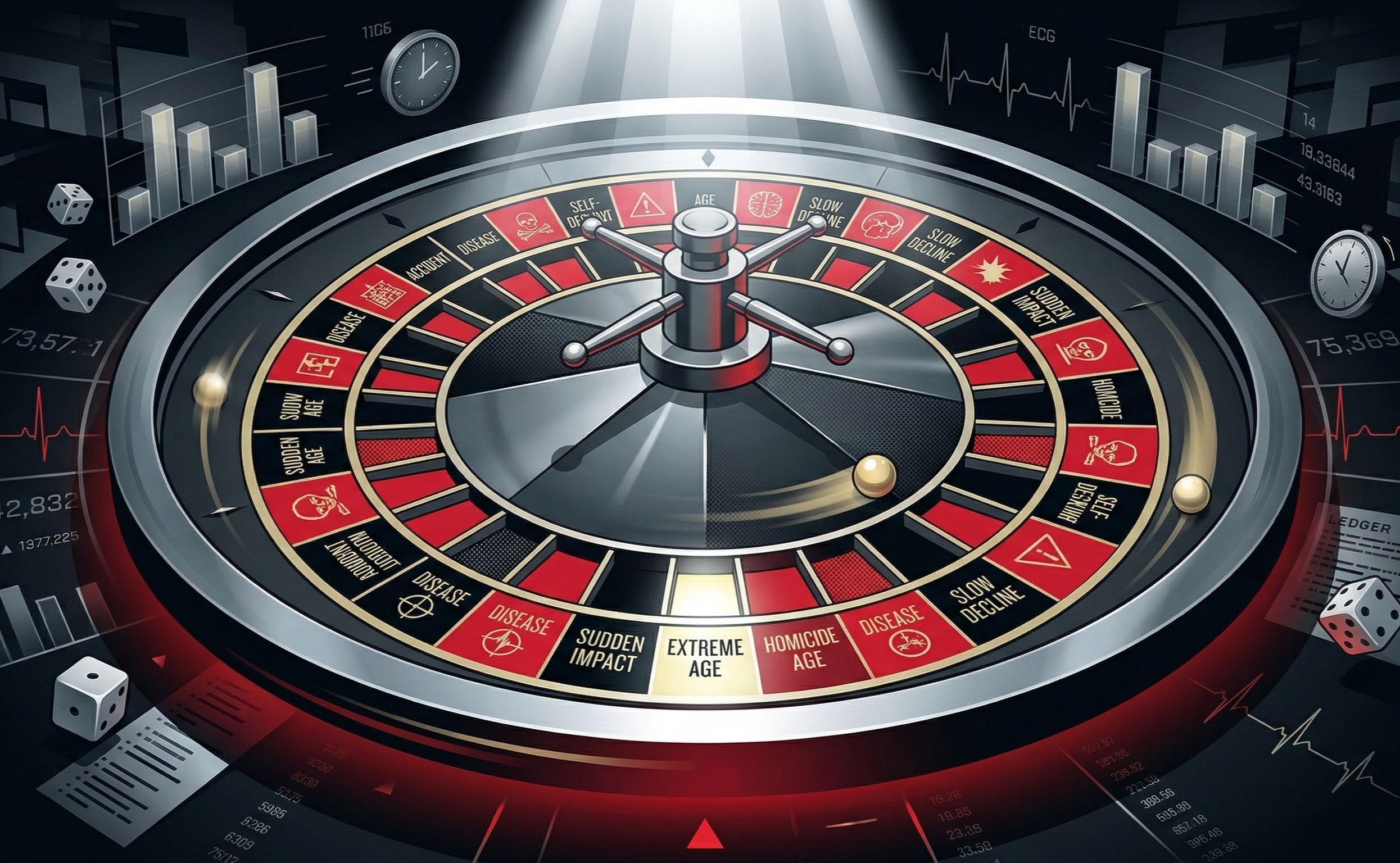
So, what is the best wager?
Not denial.
Not arrogance.
Not pretending there is no table.
The best wager may be simpler, and harder:
Find the co-existers who are true to form.
Find the ones who, even under stress, remain themselves.
Find the ones who do not become false when frightened.
Find the ones who remember how short visible life is and still choose depth, courage, and realness.
But do not stop there.
Become one of them.
Become one of the people whose presence leaves others less frantic and more able to live.
Become one of the people who can be trusted with strain.
Become one of the people who make the shared world more inhabitable.
Because those are the people worth betting your life beside.
And worth trying to be.
Stress is where the wager shows itself.
Anyone can sound wise when life is easy.
Anyone can sound deep before fear enters the room.
But stress reveals the real believers.
Stress reveals who knows.
Stress reveals who turns inward, and who turns useful.
The closing wager
So here we are.
A species standing at the strangest table in existence.
Aware enough to know we will die.
Aware enough to suspect death is not the whole account.
Aware enough to build religions, equations, tools, and stories to bargain with the dark.
Aware enough to calculate the odds — and still sit down to play.
Because your life is already the stake.
You are already paying with time, attention, trust, memory, risk, devotion, and love. Every day you place chips on what you believe remains, what you believe matters, and who you believe is worth joining yourself to.
And maybe that is the clearest wisdom available to us now:
Since this 1% lifetime is so short, bet it beside those who stay true when strain comes. Bet it beside those who live as if the visible world is not the whole world. Bet it beside those who carry, in their steadiness, the quiet knowledge that we are more joined than we are separate.
And also this:
Bet your life on leaving the living world stronger than you found it.
Not perfect.
Not finished.
Stronger.
More truthful where it was distorted.
More humane where it was cruel.
More steady where it was panicked.
More alive where it was going numb.
We do not fear death only because life ends.
We fear it because the 1% we can name cannot see enough of the 99% PURE that carries us.
So, we build religions, equations, and machines. We calculate risk. We study endings. We preserve memory. We reach for one another.
And the best wager in this life may not be merely on surviving longer, but on becoming a genuine contribution while we are here: finding those co-existers who remain true under stress, joining ourselves to them, becoming one of them ourselves, and helping leave the alive 99% PURE more protected, more inhabited, and more worth passing on.